
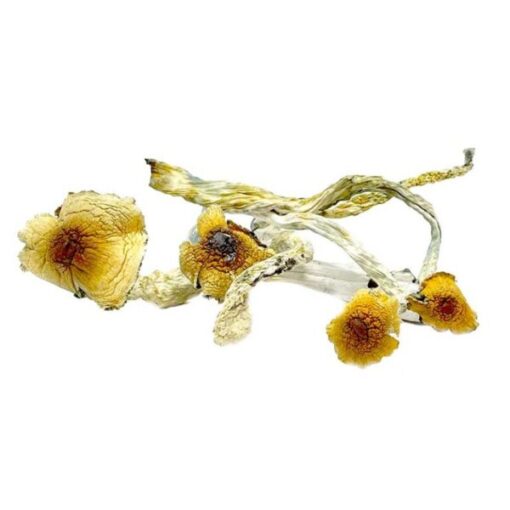
A Brief History of the Huautla Mushroom and Why it Matters
This mushroom is named after the town María Sabina lived in—but we shouldn’t forget it’s history.
In 1955, inside a tiny adobe house with a thatch roof, Mazatec curandera Maria Sabina shared psilocybin mushrooms with Gordon Wasson, a banker who would later popularize magic mushrooms in the Western World. It all went down in Huautla de Jiménez, a town of a few thousand high in the Sierra Madre mountains of Oaxaca, Mexico. Forty years later, Psilocybe cubensis from the nearby pastures was collected, and the “Huautla” mushroom strain entered the online mushroom market.
Sabina spoke only Mazatec, but recordings of her story were edited and translated into English by Álvaro Estrada and Jerome Rothenberg. According to the translation, Sabina, who began eating the mushrooms as a child, was asked to give Wasson the mushrooms a town authority. “It’s true that Wasson and his friends were the first foreigners who came to our town in search of the saint children [mushrooms] and that they didn’t take them because they suffered from any illness,” Sabina said, in translation. “Their reason was that they came to find God. Before Wasson nobody took the mushrooms only to find God. The little mushrooms were always taken for the sick to get well.
| QUANTITY | OZ, HP, P, QP |
|---|
Be the first to review “Huatla Magic Mushrooms online”
Related products
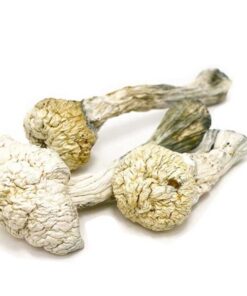
Dried Mushrooms
Dried Mushrooms
Dried Mushrooms
Dried Mushrooms
Dried Mushrooms
Dried Mushrooms
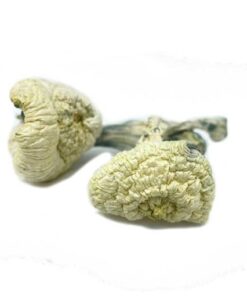
Dried Mushrooms
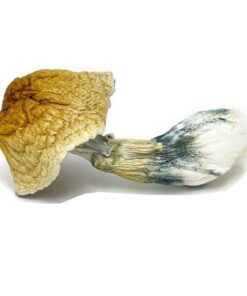
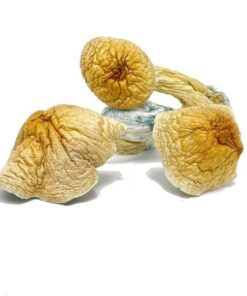
Dried Mushrooms
Reviews
There are no reviews yet.