
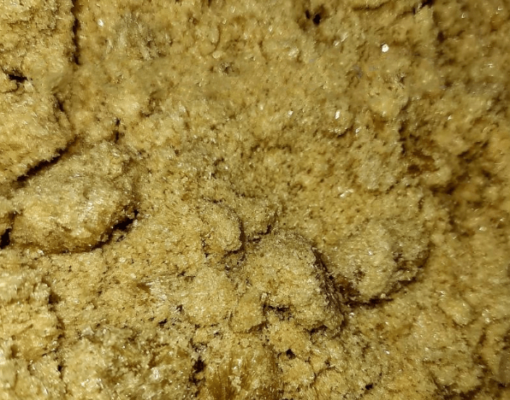
30G YELLOW 4MMC/MEPHEDRONE / DRONE 97% PURE
Original price was: €186.00.€155.00Current price is: €155.00.
BUY YELLOW 4MMC/MEPHEDRONE ONLINE at Denmark DMT Shop
We now have stock of our brand new batch of YELLOW 4MMC, reports back are its slightly stronger than batch one, enjoy folks
The effects of 4-methylmethcathinone are often compared to those of MDMA, MBDB, bk-MDMA (methylone), cocaine, methamphetamine and other euphoric stimulants.
4-methylmethcathinone does not include substantial psychedelic visual effects and is perhaps best known for its euphoric effects.
The effects of 4-methylmethcathinone are often compared to those of MDMA, MBDB, bk-MDMA (methylone), cocaine, methamphetamine and other euphoric stimulants. 4-methylmethcathinone does not include substantial psychedelic visual effects and is perhaps best known for its euphoric effects.
Mephedrone has been shown to inhibit the function of
monoamine transporters and also serve as a substrate in
vitro. It has been reported that mephedrone increases
extracellular monoamines (serotonin and dopamine)
concentration in rat brain as measured by in vivo
microdialysis technique. Mephedrone has been reported to
increase locomotor activity in rats. In drug discrimination
assays, mephedrone fully substitutes for methamphetamine
in rats trained to discriminate methamphetamine from saline.
3,4-methylenedioxymethamphetamine (MDMA) substitutes
for mephedrone in rats trained to discriminate stimulus
effects of mephedrone from saline. It has been reported that
mephedrone is self-administered by rodents. Intracranial
self-stimulation studies show that mephedrone, similar to
cocaine, potentiates brain stimulation induced reward in
mice. Similar to methamphetamine, mephedrone increases
blood pressure and heart rate, cardiac output, ejection
fraction, and stroke volume in rats. In a clinical study,
Be the first to review “30G YELLOW 4MMC/MEPHEDRONE / DRONE 97% PURE”
Related products
Chemicals
DMT
DMT
Reviews
There are no reviews yet.